How to Respond to Every Lead in Under 5 Minutes (Even When You Are Asleep)
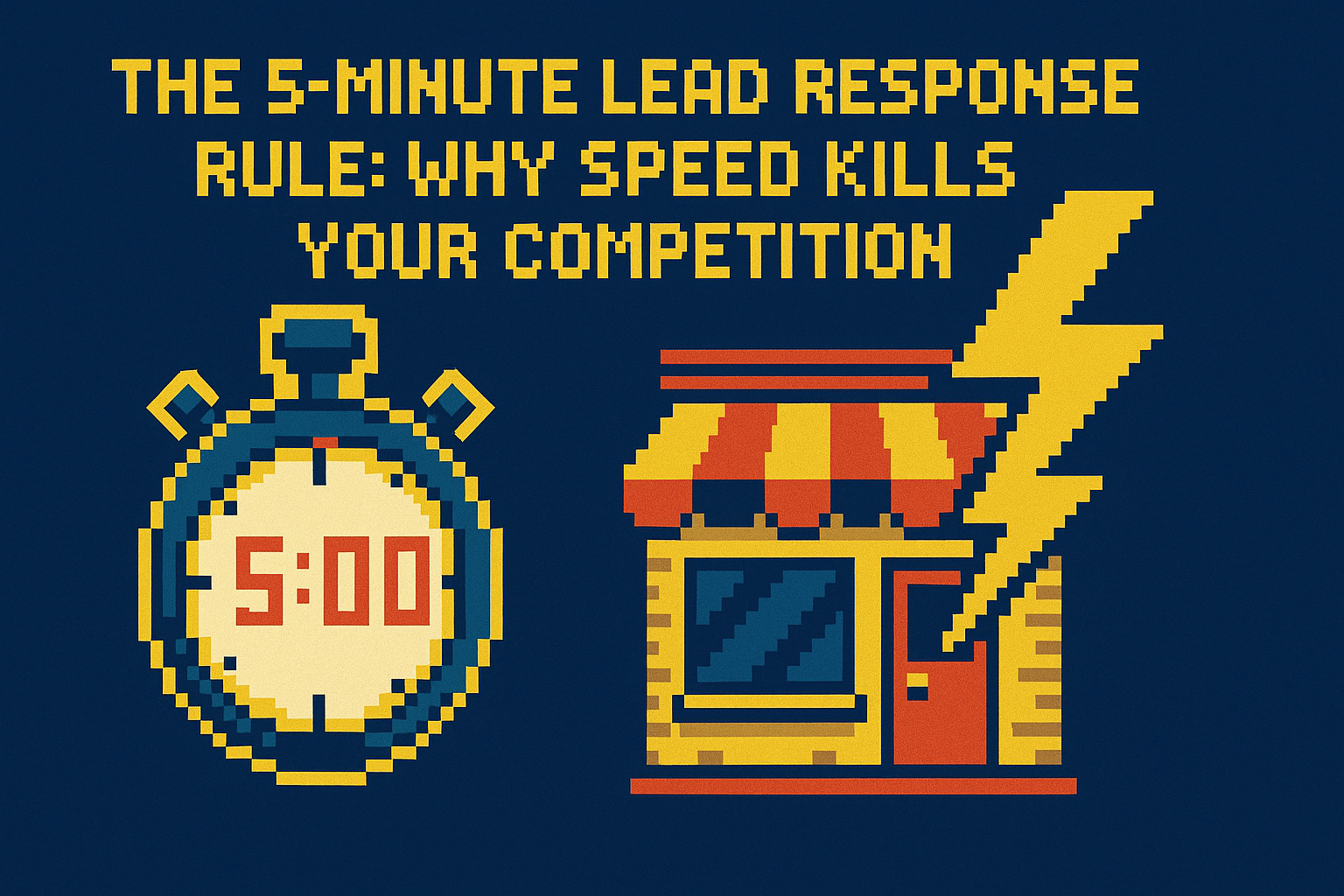
Most small businesses do not lose leads because they are bad at the work. They lose leads because they are busy. A call comes in while you are on-site. A form submission lands while the office is handling something else. A text arrives after hours and sits there until morning. By the time someone replies, the customer has already heard from another company that sounded available and organized.
That is why the first five minutes matter so much. When someone reaches out, intent is high right then. They are not admiring your logo. They have a problem and want movement. If your business replies quickly, you get to shape the conversation. If you reply later, you are trying to re-enter a conversation your competitor already started.
▶ Speed changes the odds more than people think
Owners often treat fast response like a customer-service improvement. It is more than that. It is a conversion advantage. The business that responds in under five minutes does not just look polite. It looks competent, alert, and easier to work with. In crowded local markets, that perception can win the job before price ever becomes the deciding factor.
This is especially true for high-intent service inquiries. Plumbing, HVAC, roofing, electrical, landscaping, legal intake, home services, real estate leads - these customers are usually not filling out one form and then meditating on the experience. They are shopping in motion. Fast response gets you in the race. Slow response is basically self-elimination with extra steps.
- ▶Fast reply = more conversations started
- ▶More conversations started = more booked calls and estimates
- ▶More booked calls and estimates = more revenue without buying more traffic
▶ Why humans are bad at maintaining this standard
To be clear, the problem is not effort. The problem is physics. Humans sleep. Humans drive. Humans work in the field. Humans get interrupted. If your lead response system depends on a person always being available at exactly the right moment, you do not have a system. You have a hope disguised as a process. Hope is not useless, but it is a terrible operations plan.
This is why businesses with great people still miss easy opportunities. Not because anyone is lazy, but because manual response is fragile. One busy afternoon is enough to create a pile of delayed replies, and delayed replies are where good leads cool off. The market does not care that you meant to answer faster. It rewards whoever actually did.
▶ How AI agents make under-5-minute response normal
A good AI lead response agent does more than fire off a canned thank-you. It answers immediately, asks the next useful question, qualifies the lead, captures details, routes the request, and pushes the prospect toward a clear next step. That might be booking an estimate, collecting photos, confirming service area, or notifying the right person internally.
The important shift is consistency. Instead of trying to be fast when the day is calm, your business becomes fast by default. Nights, weekends, lunch rush, field visits, holiday chaos - the lead still gets handled. That does not replace human judgment. It protects the moment before human judgment is needed.
▶ Start with one standard: every lead gets movement fast
If you want a practical rule, use this one: every legitimate lead should get meaningful movement in under five minutes. Not eventually. Not when somebody remembers. Under five minutes. That one standard will expose where your process is weak and where automation can help immediately.
You do not need to rebuild the company overnight. Start with new lead intake. If you can make speed automatic there, everything downstream gets easier. Faster response creates more conversations, more conversations create more booked opportunities, and more booked opportunities create more chances to win. Not complicated. Just valuable.
▶ Frequently asked questions
What does it mean to give a lead meaningful movement in the first few minutes?
It means more than a canned thank-you. The lead should get an immediate answer, the next useful question, and a push toward a clear next step. That might be booking an estimate, collecting photos, confirming your service area, or notifying the right person on your team. The practical rule is that every legitimate lead gets that kind of movement in under five minutes, not whenever somebody remembers.
Which kinds of businesses benefit most from replying to leads fast?
High-intent service businesses gain the most. That includes plumbing, HVAC, roofing, electrical, landscaping, legal intake, home services, and real estate. These customers are usually shopping in motion rather than filling out one form and waiting patiently. Replying fast gets you into the race, while replying slowly lets a competitor who sounded available and organized start the conversation first.
Isn't replying quickly just a customer service nicety?
It is more than that. It is a conversion advantage. A business that responds in under five minutes looks competent, alert, and easier to work with. In crowded local markets, that impression can win the job before price becomes the deciding factor. Faster replies start more conversations, which lead to more booked calls and estimates, and that means more revenue without buying more traffic.
My team works hard, so why do we still miss good leads?
The problem usually isn't effort. People sleep, drive, work in the field, and get interrupted. If your lead response depends on someone being available at exactly the right moment, it's a hope, not a system. Manual response is fragile, and one busy afternoon can create a pile of delayed replies. Those delays are where good leads cool off.
Do I have to overhaul my whole business to start responding faster?
No. You don't need to rebuild the company overnight. Start with new lead intake. If you can make speed automatic there, everything downstream gets easier. Faster response creates more conversations, more conversations create more booked opportunities, and more booked opportunities give you more chances to win. Setting that one standard will also show you where your process is weak and where automation can help right away.
Want help automating a workflow like this?
▶ BOOK A DISCOVERY CALL