The Complete Guide to AI Automation for Service Businesses in 2026
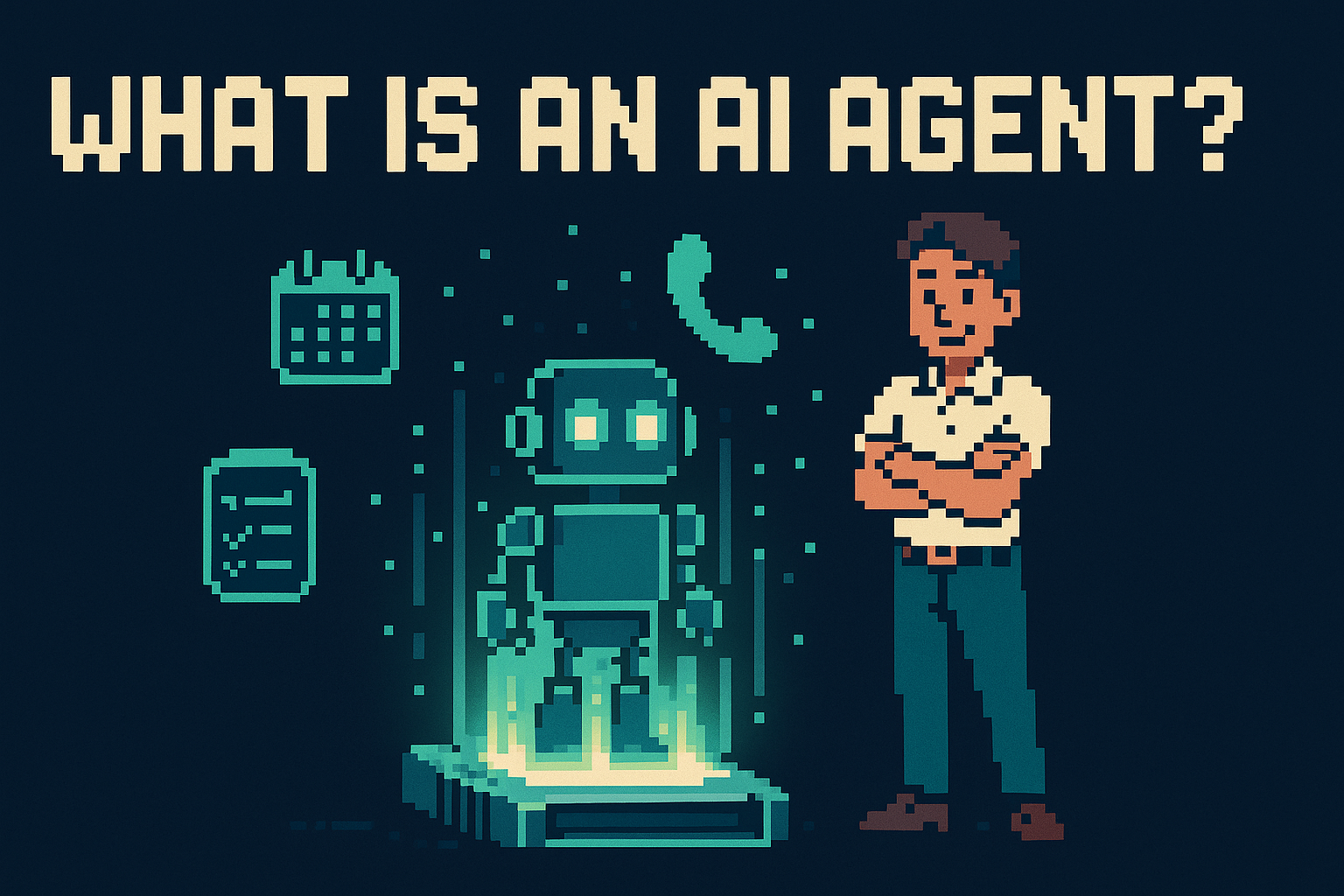
In 2026, AI automation is no longer a novelty for service businesses. It is the difference between a team that stays buried in repetitive admin and a team that can actually keep up with demand. The best operators are not automating for the sake of technology. They are automating because every minute saved on the front end becomes capacity on the back end.
The service companies pulling ahead are doing the same handful of things well: answering faster, qualifying better, scheduling cleaner, and following up without dropping the ball. That sounds simple because it is simple. The hard part is building the systems so the work happens consistently when nobody is watching.
▶ The four workflows worth automating first
Lead intake is the obvious one. If someone requests a quote, books a service, or asks for pricing, the first response needs to happen immediately. The second workflow is qualification, because not every lead is worth the same amount of labor. The third is scheduling, which should be tied to real availability instead of whatever somebody thinks is open. The fourth is follow-up, because a shocking amount of revenue dies after the first estimate.
These are the workflows where service businesses get the fastest return. Not because the AI is magical, but because these tasks repeat all day long, and repetition is where automation compounds.
- ▶Lead response within minutes
- ▶Qualification before human handoff
- ▶Scheduling against live availability
- ▶Automated estimate and reminder follow-up
▶ What good automation looks like in practice
A good system is not just a chatbot that says “we’ll get back to you.” It is a workflow that collects the job type, service area, urgency, budget, and contact details, then routes the request to the right team member or books it outright. If the customer needs a callback, the system should own the reminder sequence until the job is either won or lost.
For a small business, that means fewer dropped leads, fewer double-bookings, fewer manual texts, and less time wasted on calendar ping-pong. It also means cleaner handoffs between marketing, sales, and operations. Most businesses do not have a lead problem. They have a process problem.
▶ How to implement without creating chaos
Start with one workflow and one KPI. If the goal is more booked jobs, automate the first response and measure response time. If the goal is better close rates, automate qualification and measure quote-to-booked conversion. The point is to prove value on a narrow slice before expanding.
That is how service businesses win with AI in 2026: not by trying to automate the whole company in one shot, but by removing the worst bottlenecks first and letting the gains fund the next layer.
Want help automating a workflow like this?
▶ BOOK A DISCOVERY CALL