Automate Sales Follow-Up Without a CRM Upgrade
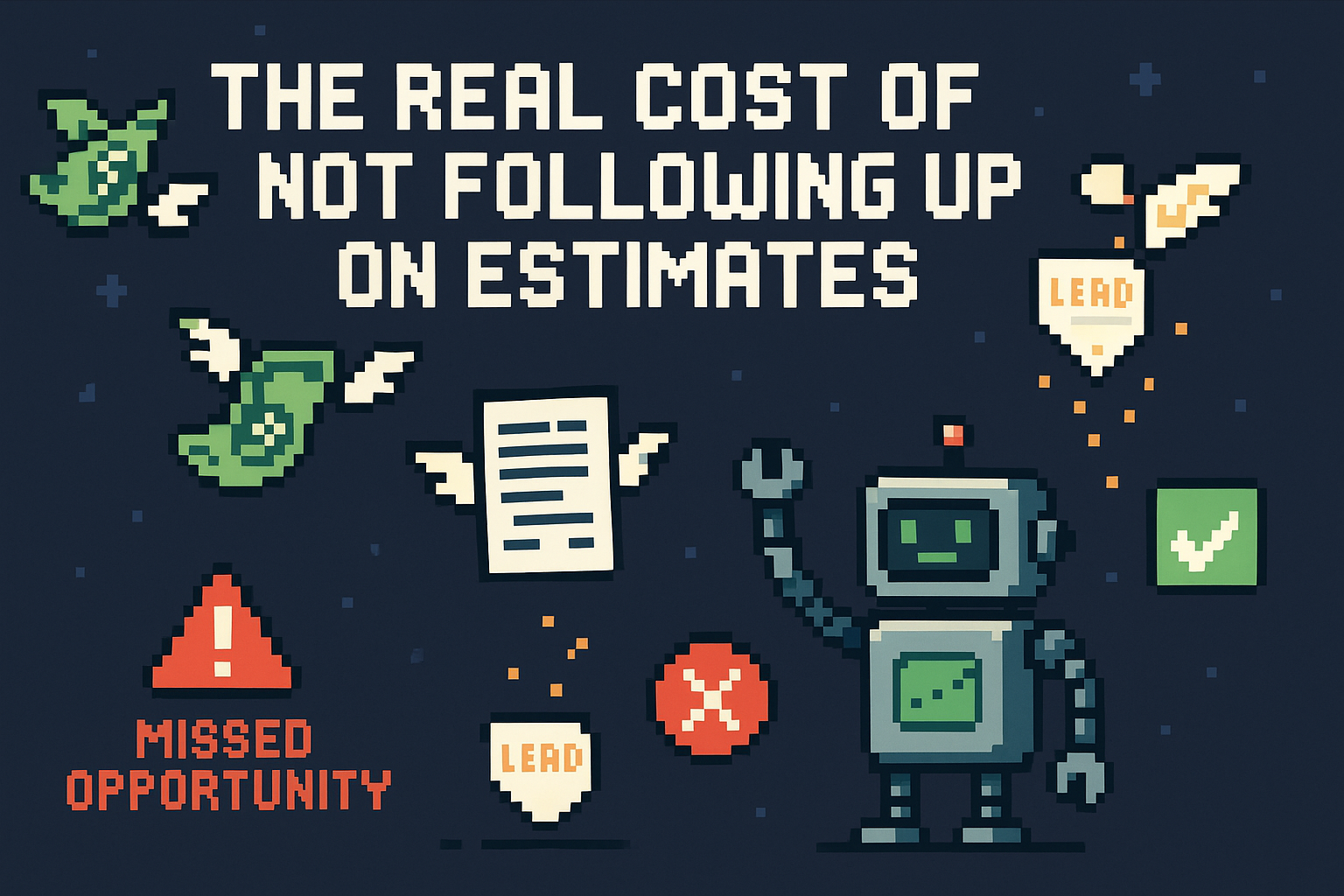
Most businesses do not have a CRM problem. They have a follow-up problem dressed up as a CRM problem. The instinct is to buy a bigger, shinier system and hope the team uses it. But the issue was never the software. It was the gap between a lead expressing interest and someone on your team doing the next thing.
AI follow-up agents work alongside whatever you already use. They do not require a platform migration, a six-month implementation, or retraining your staff on a new dashboard. They plug into the workflow and handle the part that keeps falling through the cracks.
▶ Where follow-up actually breaks
Follow-up fails in three places. First, the initial response takes too long. Second, the second and third touches never happen because someone got busy. Third, leads that say "not yet" disappear forever because there is no long-term nurture in place.
An AI agent can own all three. It responds immediately when a lead comes in, sends follow-up messages on a schedule, and keeps warm leads in a drip sequence until they are ready to move. None of that requires replacing your CRM.
- ▶First response: under 2 minutes instead of hours
- ▶Second touch: automatic, 24 to 48 hours later
- ▶Third touch: context-aware reminder with the original request details
- ▶Long-term nurture: monthly check-in for leads that said "not right now"
▶ How it works with your existing tools
The AI agent connects to your form submissions, email inbox, or messaging platform. When a new lead arrives, it triggers the follow-up sequence. If you use a spreadsheet to track deals, the agent can update it. If you use a basic CRM, the agent can log the activity there. The point is to add discipline to the process you already have.
You do not need to learn a new system. You need the system you have to actually follow through. That is the job of the agent.
▶ What to automate first
Start with estimate follow-up. If you send quotes or proposals, automate a check-in 48 hours later asking if the customer has questions. That single touch recovers more deals than most people expect because the default behavior is silence after the quote goes out.
Next, automate the "we missed you" message for leads who filled out a form but never booked. Those people raised their hand once. A timely follow-up often brings them back. Without automation, they are gone.
▶ The ROI without the migration
A CRM migration can cost months of time, thousands of dollars, and a painful adoption curve. An AI follow-up layer can be running in days and paying for itself within the first month. If it closes even two or three deals that would have gone cold, the math is done.
Stop waiting for the perfect system. Automate the follow-up on top of what you have and let the results tell you whether you need anything more.
▶ Frequently asked questions
Where does sales follow-up usually break down in a small business?
Follow-up tends to fail in three places. The first response takes too long. The second and third touches never happen because someone got busy. Leads that say 'not yet' disappear because there is no long-term nurture in place. An AI agent can handle all three by responding immediately, sending follow-ups on a schedule, and keeping warm leads in a drip sequence until they are ready.
Can an AI follow-up agent update the spreadsheet I already use to track deals?
Yes. The agent connects to your form submissions, email inbox, or messaging platform, and a new lead triggers the follow-up sequence. If you track deals in a spreadsheet, the agent can update it. If you use a basic CRM, it can log the activity there. The point is to add discipline to the process you already have, not to make you learn a new system.
What should I do about people who filled out a form but never booked?
Automate a 'we missed you' message for them. These people raised their hand once, and a timely follow-up often brings them back. Without automation, they are usually gone for good. This makes a smart second workflow to automate, right after setting up a check-in on the quotes and proposals you send.
How fast can an AI follow-up layer be running compared to switching CRMs?
A CRM migration can cost months of time, thousands of dollars, and a painful adoption curve. An AI follow-up layer can be running in days, with no platform migration, long implementation, or staff retraining on a new dashboard. It can pay for itself within the first month. If it closes even two or three deals that would have gone cold, the math is done.
What does a typical follow-up schedule look like with an AI agent?
A solid sequence covers four stages. The first response goes out in under two minutes instead of hours. A second touch follows automatically a day or two later. A third touch is a context-aware reminder that includes the original request details. Leads who said 'not right now' then get a monthly check-in as long-term nurture, so they stay warm until they are ready.
Want help automating a workflow like this?
▶ BOOK A DISCOVERY CALL